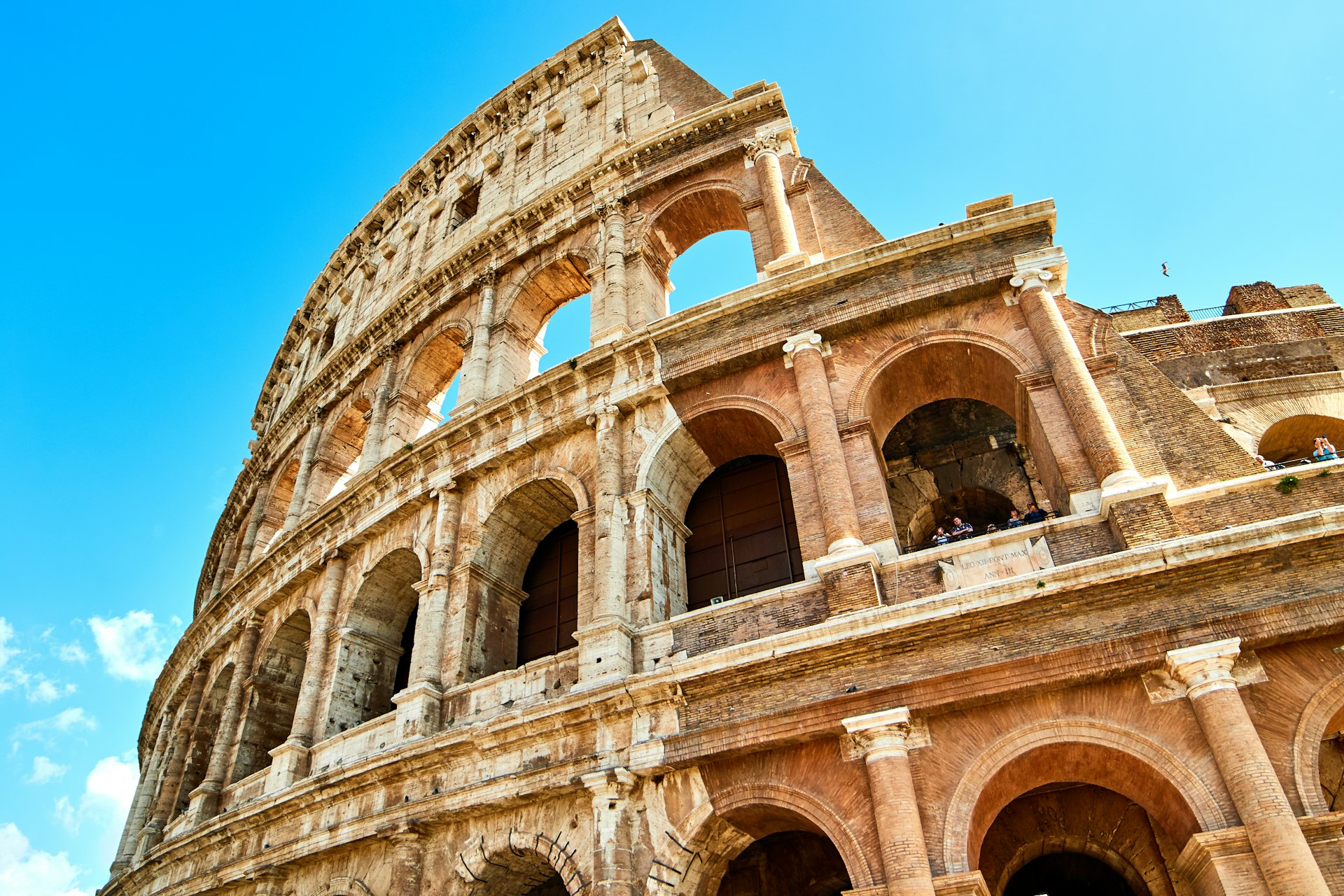
<strong><strong>Italy</strong></strong> has finally joined the digital nomad visa movement, offering remote workers the chance to legally experience la dolce vita. From Rome's ancient grandeur to Florence's Renaissance treasures, from Milan's fashion and finance to the Amalfi Coast's beauty, Italy delivers unmatched art, history, food, and lifestyle. The new Digital Nomad Visa provides a pathway for non-EU remote workers, while the country's position in the heart of Europe makes exploring the continent easy. Yes, Italian bureaucracy is legendary, and costs in major cities rival other Western European capitals, but for those seeking beauty, culture, and cuisine, Italy remains irresistible.
💡Key Takeaways
- •Digital Nomad Visa: 1 year renewable, €28,000/year income requirement
- •Rome/Milan: €1,800-3,000/month; Bologna/Naples more affordable
- •More UNESCO World Heritage sites than any other country
- •Italian bureaucracy is slow—patience required
- •Italian language essential for meaningful integration
- •August shutdown (ferragosto)—plan accordingly
Why Choose Italy
Culture and Beauty
- Art: More UNESCO sites than any country
- History: Ancient Rome, Renaissance, continuous civilization
- Architecture: From Colosseum to Duomo to modern design
- Regional diversity: Each region distinct in culture, food, dialect
- Fashion: Milan is global fashion capital
Lifestyle
- Food: World's best cuisine (regional variations)
- Wine: Every region produces excellent wine
- Passeggiata: Evening stroll culture
- Aperitivo: Pre-dinner drinks tradition
- Mediterranean climate: Warm, sunny (varies north to south)
Location
- Central Europe—easy travel to all destinations
- EU member state with Schengen access
- Multiple international airports
- High-speed rail (Frecciarossa) connects cities
Digital Nomad Visa
Overview
Italy introduced the Digital Nomad Visa in 2024:
- Duration: 1 year, renewable
- Work: Remote work for non-Italian employers/clients
- Income requirement: Approximately €28,000/year minimum
- Health insurance: Required, valid in Italy
- Cannot: Work for Italian companies
Requirements
- Non-EU/EEA nationality
- Proof of remote work (contracts, client letters)
- Income documentation (€28,000+ annually)
- Health insurance valid in Italy
- Accommodation in Italy (or proof of ability to secure)
- Clean criminal record
Application Process
- Apply at Italian consulate in home country
- Receive entry visa
- Register in Italy within 8 days of arrival
- Apply for residence permit (permesso di soggiorno)
- Processing can take several months (Italian bureaucracy)
For EU Citizens
EU/EEA citizens can live and work freely:
- Register at local Anagrafe after 3 months
- Obtain codice fiscale (tax code)
- No visa required
Where to Live in Italy
Rome - The Eternal City
Italy's capital, ancient and modern:
- Population: 2.8 million
- Character: Historic layers, chaotic charm, monumental
- Cost: €1,800-2,800/month
- Areas: Trastevere (bohemian), Centro Storico, Testaccio (local)
- Pros: History, food, central location
- Cons: Tourist crowds, hot summers, chaotic
Milan - The Business Capital
Fashion, finance, and efficiency:
- Population: 1.4 million
- Character: Modern, business-oriented, fashion-forward
- Cost: €2,000-3,000/month
- Pros: Most international, best salaries, efficient
- Cons: Most expensive, less "Italian feel"
Florence - The Renaissance Gem
Art city of unmatched beauty:
- Population: 380,000
- Character: Compact, artistic, Tuscan lifestyle
- Cost: €1,600-2,400/month
- Pros: Stunning beauty, Tuscany access, walkable
- Cons: Very touristy, smaller job market
Bologna - The Food Capital
University city with culinary excellence:
- Population: 400,000
- Character: Student energy, food obsessed, authentic
- Cost: €1,400-2,000/month
- Pros: Best food, less touristy, university atmosphere
- Best for: Food lovers seeking authentic Italy
Naples - The Soulful South
Chaotic, passionate, pizza perfection:
- Population: 950,000
- Character: Intense, historic, authentic
- Cost: €1,200-1,800/month
- Pros: Cheapest major city, best pizza, character
- Cons: Can be overwhelming, safety perceptions
Cost of Living
| Expense | Rome/Milan | Florence/Bologna |
|---|---|---|
| 1BR Apartment (Central) | €1,200-1,800 | €900-1,400 |
| 1BR Apartment (Outside) | €800-1,200 | €650-950 |
| Groceries (Monthly) | €300-400 | €250-350 |
| Dining Out (Meal) | €15-30 | €12-25 |
| Monthly Transit | €35-50 | €35-40 |
| Espresso | €1-1.50 | €1-1.20 |
Monthly budget: €1,800-2,800 Rome/Milan; €1,400-2,200 other cities.
Practical Information
Bureaucracy
- Italian bureaucracy is famously slow and complex
- Patience essential—processes take time
- Having Italian speaker helps significantly
- Documents often need apostille/translation
Language
- Italian essential for daily life
- English limited outside tourism/business
- Learning Italian enriches experience enormously
- Regional dialects exist but standard Italian universal
Healthcare
- SSN (public healthcare) excellent, available to residents
- Private insurance recommended for nomads
- Pharmacies well-stocked and helpful
Culture Tips
- Pranzo (lunch) is still main meal in many areas
- Dinner starts late (8-9pm)
- Cappuccino only in morning (cultural rule)
- Dress well—Italians notice
- August: many businesses close (ferragosto)
Official Resources
For the most current and authoritative information, consult these official sources:
- Italy Immigration - Official visa and immigration information
- Italy Tourism - Official tourism board with travel resources
Related Destinations
Frequently Asked Questions
Related Articles
Ready to start your relocation journey?
Get personalized guidance from our AI advisor.
Get Started Free