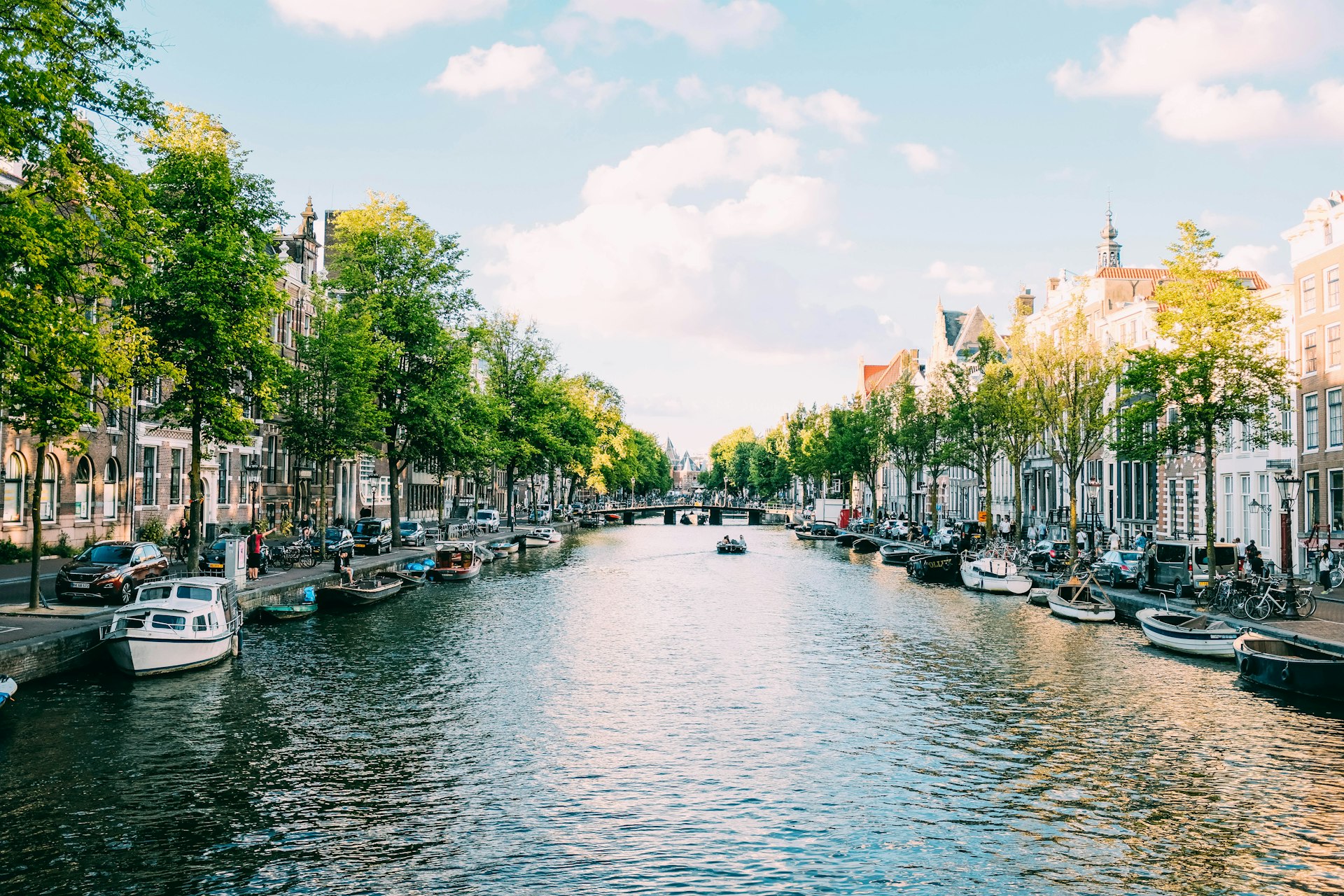
Since Brexit transformed the landscape for British citizens <strong>moving</strong> to Europe, the Netherlands has emerged as one of the most popular destinations for UK expats. With its English-friendly culture, excellent quality of life, proximity to the UK (just a short flight or train ride), and thriving economy, the Netherlands offers an attractive new home for Brits seeking EU opportunities. However, post-Brexit rules mean UK citizens now need to navigate visa requirements, residence permits, and new bureaucratic processes. This comprehensive guide covers everything you need to know about making the move in 2026.
💡Key Takeaways
- •UK citizens now need a visa to live/work in NL post-Brexit—Highly Skilled Migrant visa is most common route
- •Dutch housing market is very competitive—start searching 2-3 months early
- •Health insurance is mandatory and costs €120-150/month
- •30% ruling can save significant taxes for skilled migrants (up to 5 years)
- •English is widely spoken but learning basic Dutch helps with integration
- •Amsterdam costs similar to London; other cities 20-30% cheaper
Moving from the UK to the Netherlands has become increasingly popular since Brexit, with thousands of British expats choosing Dutch cities for their excellent quality of life and EU access.
Why British Expats Choose the Netherlands
The Netherlands consistently ranks among the world's best countries for expats. For British citizens specifically, several factors make it an ideal choice:
- English proficiency: Over 90% of Dutch people speak English fluently—the highest rate in continental Europe
- Proximity to UK: Amsterdam is just 1 hour by flight or 4 hours by Eurostar from London
- Strong economy: Home to global companies like Shell, Unilever, ASML, and thriving tech sector
- Quality of life: Excellent healthcare, work-life balance, cycling infrastructure, and safety
- International community: Large expat population, especially in Amsterdam, Rotterdam, and The Hague
Post-Brexit Visa Requirements
Since January 1, 2021, UK citizens are no longer EU citizens and need permission to live and work in the Netherlands. Here are your main options:
Highly Skilled Migrant Visa (Kennismigrant)
The most common route for professionals. Requires a job offer from a recognized sponsor company with a minimum salary of approximately €4,840/month (or €3,549 for under-30s). Processing takes 2-4 weeks.
Intra-Company Transfer (ICT)
For employees of multinational companies transferring to a Dutch branch. Requires at least 3-12 months prior employment with the company.
Self-Employment Visa
For entrepreneurs and freelancers. Requires demonstrating your business serves Dutch interests through a points-based system. More challenging but possible with strong business plan.
EU Blue Card
For highly qualified workers with a job offer. Minimum salary requirement of approximately €5,867/month. Offers some advantages for future EU mobility.
Cost of Living Comparison
Understanding the cost difference is crucial for planning your move. Here's how the Netherlands compares to the UK:
| Category | London (UK) | Amsterdam (NL) | Difference |
|---|---|---|---|
| 1BR Apartment (City Center) | £2,000/month | €1,800/month | ~10% cheaper |
| Utilities (Monthly) | £180 | €200 | Similar |
| Public Transport (Monthly) | £180 | €100 | ~45% cheaper |
| Meal at Restaurant | £18 | €18 | Similar |
| Groceries (Monthly) | £250 | €280 | ~12% more |
Note: While Amsterdam is comparable to London, other Dutch cities like Rotterdam, Utrecht, or Eindhoven offer 20-30% lower costs while maintaining excellent quality of life.
Finding Housing
The Dutch housing market is notoriously competitive, especially in Amsterdam. Here's what you need to know:
Rental Market
- Start searching early: Begin 2-3 months before your move
- Popular platforms: Funda.nl, Pararius, Kamernet
- Requirements: Income proof (usually 3-4x monthly rent), employment contract, sometimes bank guarantee
- Typical costs: €1,500-2,500/month for 1BR in major cities; €1,000-1,500 outside Randstad
Buying Property
Foreigners can buy property in the Netherlands without restrictions. Mortgage available to non-residents from some banks. Typical costs include 2% transfer tax plus notary fees.
Healthcare System
The Dutch healthcare system is excellent but works differently from the NHS:
- Mandatory insurance: Everyone must have basic health insurance (basisverzekering)
- Cost: €120-150/month for basic coverage
- Own risk (eigen risico): €385 annual deductible for most care
- GP system: Register with a local GP (huisarts) who acts as gatekeeper
- Quality: Excellent hospitals and specialists, shorter wait times than NHS
Important: UK healthcare coverage (EHIC/GHIC) only covers temporary visits, not residence. You must arrange Dutch health insurance before or immediately upon arrival.
Banking and Finance
Opening a Bank Account
You'll need a BSN (citizen service number) to open a full bank account. Options include:
- Traditional banks: ING, ABN AMRO, Rabobank—require BSN and residence permit
- Digital banks: N26, Revolut, Bunq—can often open before arrival
Tax Considerations
The Netherlands has a progressive tax system (up to 49.5%) but offers the 30% ruling for skilled migrants—a significant tax benefit where 30% of salary is tax-free for up to 5 years. Check eligibility before accepting a job offer.
Practical Steps Timeline
3-6 Months Before
- Research visa options and requirements
- Start job search if needed (LinkedIn, Indeed.nl, Glassdoor)
- Begin housing search for areas of interest
- Research schools if moving with children
1-3 Months Before
- Accept job offer and begin visa application
- Secure accommodation (even temporary)
- Arrange international moving company if needed
- Notify UK authorities (HMRC, council, etc.)
First Month in Netherlands
- Register at gemeente (municipal office) to get BSN
- Arrange health insurance
- Open Dutch bank account
- Register with GP
- Apply for DigiD (digital identity)
Adapting to Dutch Culture
While the Netherlands is very international, understanding local culture helps with integration:
- Directness: Dutch people are famously direct—it's not rudeness, it's efficiency
- Work-life balance: Part-time work is common; Fridays often end early
- Cycling: Get a bike immediately—it's the primary transport mode
- Social customs: Birthday circles, agenda culture (schedule everything)
- Learning Dutch: Not essential but appreciated and helps with integration
Moving with Children
The Netherlands is excellent for families:
- International schools: Available in major cities (expensive: €15,000-25,000/year)
- Dutch schools: Free, high quality, often with English streams
- Childcare: Government subsidized, €8-10/hour after subsidies
- Family-friendly: Excellent parks, safe streets, child-focused culture
Official Resources
For the most current and authoritative information, consult these official sources:
- Netherlands Immigration - Official visa and immigration information
- Netherlands Tourism - Official tourism board with travel resources
Related Destinations
Frequently Asked Questions
Related Articles
Ready to start your relocation journey?
Get personalized guidance from our AI advisor.
Get Started Free