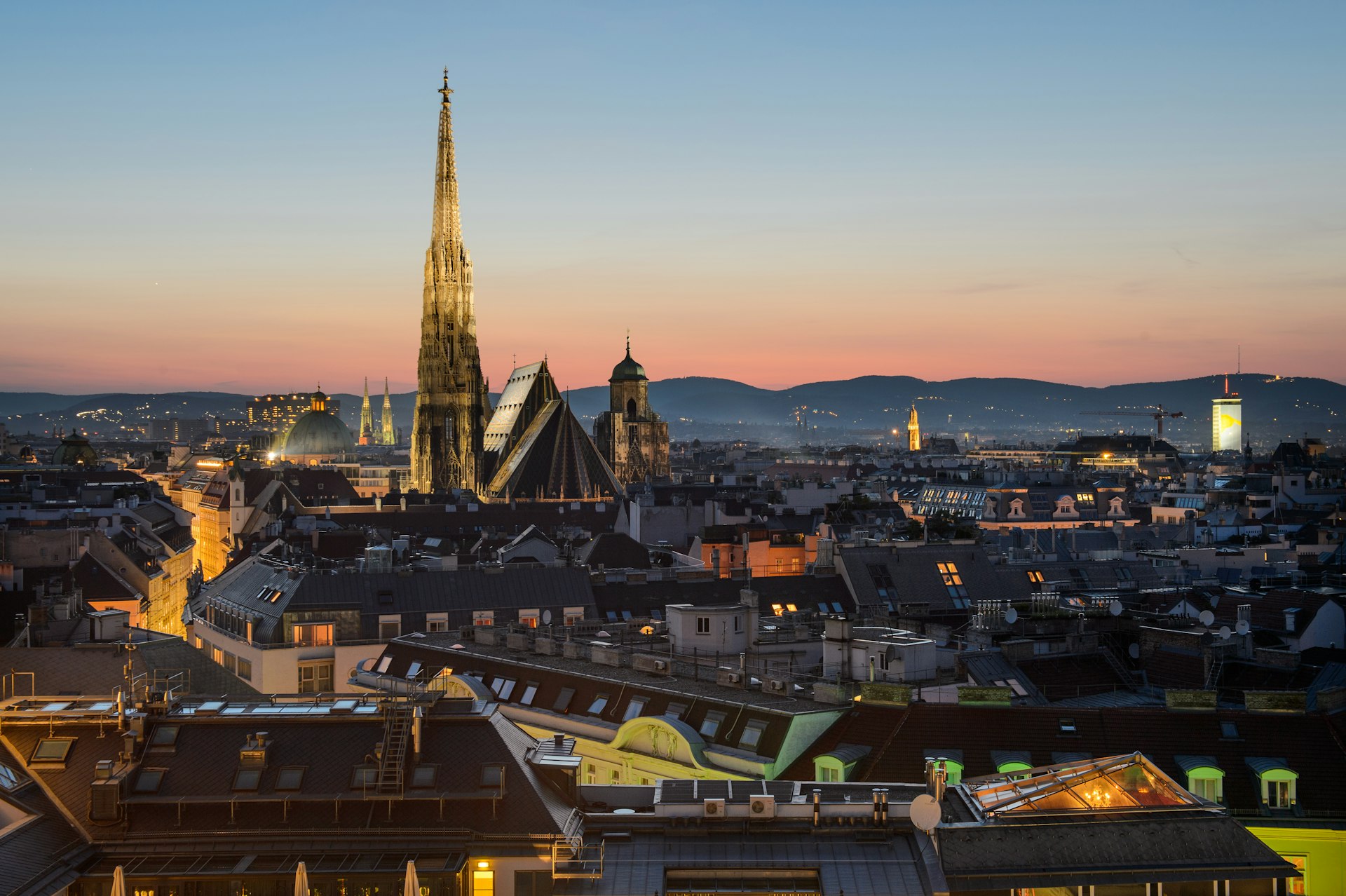
<strong><strong>Austria</strong></strong> offers a compelling mix of imperial grandeur, Alpine beauty, exceptional quality of life, and central European location. Vienna consistently tops global livability rankings, while cities like Salzburg and Innsbruck provide mountain access with urban amenities. While Austria doesn't have a dedicated "digital nomad visa," several pathways exist for remote workers, including the Red-White-Red Card for skilled workers and self-employment options. Austria's high standards come with higher costs and notorious bureaucracy, but for those who navigate it, the reward is life in one of Europe's most beautiful and cultured countries.
💡Key Takeaways
- •Austria has NO specific digital nomad visa—options limited for non-EU
- •Vienna ranks #1 globally for livability but costs €1,800-2,500/month
- •Self-employment visa possible but challenging approval process
- •German essential for bureaucracy and daily life
- •Excellent quality of life, safety, healthcare, and Alpine access
- •Famous bureaucracy requires patience and proper documentation
Why Consider Austria
Quality of Life
- Vienna: #1 most livable city globally (multiple rankings)
- Safety: Extremely low crime rates
- Healthcare: Excellent universal healthcare system
- Culture: World-class music, art, museums
- Nature: Alps accessible from every major city
Central Location
- Heart of Europe—easy access to Germany, Italy, Switzerland, Czech Republic
- Vienna Airport is major hub
- Excellent rail connections (ÖBB)
- Schengen member—travel freely in EU
Lifestyle
- Coffee house culture (UNESCO heritage)
- Classical music and opera
- Skiing, hiking, outdoor culture
- Christmas markets
- Wine regions (Wachau, Burgenland)
Visa and Residence Options
Important: Austria does NOT have a specific digital nomad visa. Options for remote workers:
Tourist/Schengen Stay
- 90 days in any 180-day period (visa-free for US, UK, etc.)
- Cannot legally work—including remote work in gray area
- Good for testing if Austria suits you
Red-White-Red Card (Skilled Workers)
Austria's main work immigration route:
- Points-based system for skilled workers
- Requires Austrian employer in most cases
- "Very Highly Qualified Workers" stream has lower job requirements
- Startup Founders stream available
Self-Employment Residence Permit
For freelancers/self-employed:
- Must prove economic benefit to Austria
- Demonstrate sufficient income/savings
- Health insurance required
- Challenging approval process—not guaranteed
- More realistic if serving Austrian clients
EU Citizens
EU/EEA citizens can live and work freely. Register after 3 months.
Student Visa
Study at Austrian university with limited work rights—pathway to longer stay.
Where to Live in Austria
Vienna - The Imperial Capital
Austria's capital and most international city:
- Population: 1.9 million
- Character: Imperial architecture, coffee houses, culture
- Cost: €1,800-2,500/month
- Districts: 1st (center, expensive), 7th/8th (trendy), 9th (student), 2nd (diverse)
- Pros: Livability, culture, international community
- Cons: Can feel formal, gray winters
Salzburg - Mozart's City
Baroque beauty near the Alps:
- Population: 155,000
- Character: UNESCO old town, music festivals, mountain access
- Cost: €1,500-2,200/month
- Pros: Beauty, Alps nearby, smaller scale
- Cons: Touristy old town, smaller job market
Innsbruck - The Alpine Capital
Mountains meet city:
- Population: 130,000
- Character: University town surrounded by peaks
- Cost: €1,400-2,000/month
- Pros: Skiing/hiking from doorstep, young population
- Best for: Outdoor enthusiasts
Graz - The Student City
Austria's second largest, UNESCO old town:
- Population: 290,000
- Character: University atmosphere, design scene, relaxed
- Cost: €1,300-1,800/month
- Pros: More affordable, less touristy, culinary scene
Cost of Living
| Expense | Vienna | Other Cities |
|---|---|---|
| 1BR Apartment (Central) | €1,000-1,400 | €700-1,000 |
| 1BR Apartment (Outside) | €750-1,000 | €550-800 |
| Utilities (Monthly) | €150-200 | €120-170 |
| Groceries (Monthly) | €300-400 | €250-350 |
| Monthly Transit Pass | €51 (annual: €365) | €40-50 |
| Dining Out (Meal) | €12-25 | €10-20 |
Monthly budget: €1,800-2,500 Vienna; €1,300-2,000 other cities.
Healthcare
- Excellent universal healthcare system
- Mandatory health insurance for residents
- Public insurance through social security contributions
- Private insurance available for faster/expanded care
- High-quality hospitals and doctors
Language and Culture
German Language
- German essential for daily life and bureaucracy
- Austrian German has distinct dialect and vocabulary
- English common in Vienna business/tourism
- Less English outside Vienna
- German courses required for many residence permits
Cultural Notes
- Formality: Titles matter (Herr Doktor, etc.)
- Punctuality: Very important
- Bureaucracy: Extensive and slow—patience required
- Sundays: Most shops closed (law)
- Coffee culture: Lingering in cafes is tradition
Practical Considerations
Bureaucracy
- Austria is notoriously bureaucratic
- Many forms, appointments, waiting
- German language usually required for official processes
- Registration (Meldezettel) required within 3 days of arrival
Banking
- Austrian bank account often required for long-term stay
- Traditional banks: Erste Bank, Raiffeisen, Bank Austria
- Online options: N26 (German, works in Austria)
Internet
- Good quality, widely available
- Major providers: A1, Magenta, Drei
- Coworking spaces in Vienna; fewer elsewhere
Official Resources
For the most current and authoritative information, consult these official sources:
- Austria Immigration - Official visa and immigration information
- Austria Tourism - Official tourism board with travel resources
Related Destinations
Frequently Asked Questions
Related Articles
Ready to start your relocation journey?
Get personalized guidance from our AI advisor.
Get Started Free