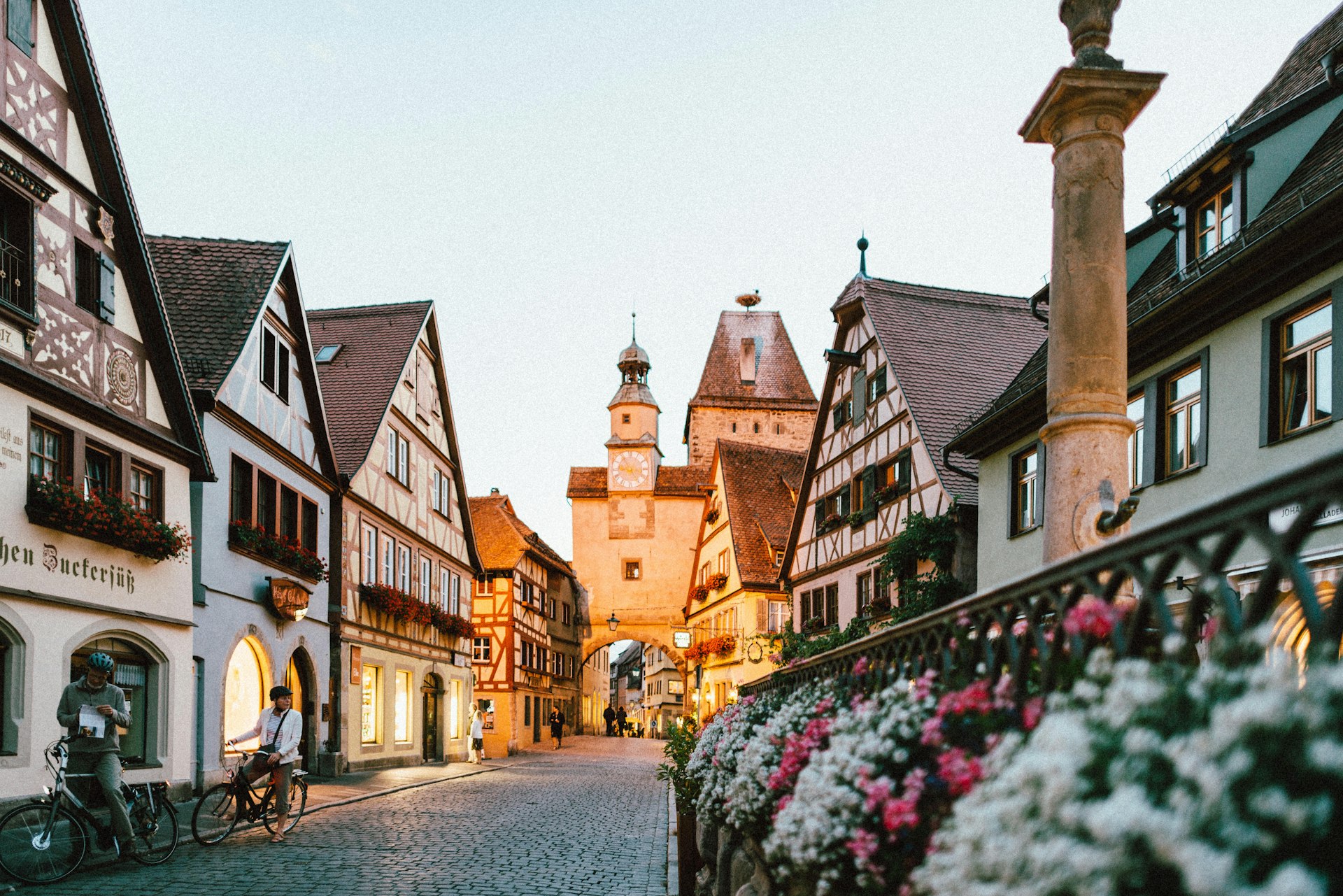
<strong><strong>Germany</strong></strong>, Europe's largest economy and a global leader in engineering, manufacturing, and technology, offers compelling opportunities for international professionals. From the creative energy of Berlin to the economic might of Munich, from the financial hub of Frankfurt to the tech scenes of Hamburg and Stuttgart, Germany provides diverse cities each with distinct character. The country's Opportunity Card (Chancenkarte), EU Blue Card, and various residence permits create pathways for skilled workers, while its central European location, excellent infrastructure, and strong worker protections make it an attractive relocation destination in 2026.
💡Key Takeaways
- •EU Blue Card: main route for skilled workers, €45,300/year salary threshold
- •Opportunity Card: new points-based job search visa (up to 1 year)
- •Cost of living: €2,500-3,800/month comfortable in Berlin, higher in Munich
- •Anmeldung (address registration) essential—do immediately upon arrival
- •German language important for bureaucracy and integration
- •Strong worker protections: 20+ vacation days, excellent benefits
- •Severe housing shortage in major cities—start searching early
Why Choose Germany
Economic Strength
Germany is Europe's economic engine:
- Employment: Strong job market, low unemployment
- Industries: Automotive, engineering, pharma, tech
- SMEs: Famous Mittelstand companies
- Stability: Secure, predictable economy
- Location: Heart of Europe, excellent for business
Quality of Life
- Healthcare: Excellent universal system
- Worker protections: Strong labor laws, works councils
- Vacation: Minimum 20 days + public holidays
- Education: Free university for all, including internationals
- Infrastructure: Excellent public transport, autobahns
Cultural Benefits
- Rich history and culture
- World-class museums and music
- Beer and food culture
- Central location for European travel
- Green spaces and outdoor access
Visa and Residence Options
EU/EEA Citizens
- Free movement—no visa required
- Register at local registration office (Anmeldung)
- Access to all services once registered
EU Blue Card
Premium option for skilled workers:
- University degree required
- Salary threshold: €45,300/year (€41,000 for shortage occupations)
- Binding job offer from German employer
- Fast track to permanent residence (21 months with German B1)
- Family reunification rights
Opportunity Card (Chancenkarte)
New points-based system from 2024:
- Allows job search in Germany for up to 1 year
- Points for: qualifications, language, age, German connection
- Can work part-time while searching
- No job offer required initially
Skilled Worker Visa
- For qualified professionals with job offers
- Vocational qualification or degree required
- Related employment required
- Employer often helps with process
Freelance Visa
- For self-employed professionals
- Must demonstrate clients/business plan
- Local interest in your services required
- Berlin historically most flexible
- Challenging but possible
Where to Live
Berlin
The creative capital:
- Population: 3.8 million
- Character: Creative, alternative, startup scene
- Economy: Tech, startups, media, tourism
- Rent: €1,200-1,800/month (rising fast)
- Pros: Affordable for capital, vibrant, international
- Cons: Bureaucracy, housing crisis, gentrification debates
Munich
Bavaria's wealthy capital:
- Population: 1.5 million
- Character: Traditional yet modern, wealthy
- Economy: Automotive (BMW), tech, consulting
- Rent: €1,800-2,500/month
- Pros: High salaries, Alps nearby, quality of life
- Cons: Expensive, conservative, harder to integrate
Frankfurt
Financial center:
- Population: 750,000
- Character: International, business-focused
- Economy: Banking, finance, ECB headquarters
- Rent: €1,400-2,000/month
- Pros: Finance jobs, international airport
- Cons: Smaller, less culture, expensive
Hamburg
Northern port city:
- Population: 1.9 million
- Character: Maritime, media, independent
- Economy: Port, media, Airbus
- Rent: €1,200-1,700/month
- Pros: Water everywhere, culture, good balance
Stuttgart
Automotive heartland:
- Economy: Mercedes, Porsche, Bosch
- Rent: €1,200-1,700/month
- Pros: Engineering jobs, vineyards, nature
Cost of Living
| Expense | Budget | Comfortable | Upscale |
|---|---|---|---|
| Rent (Berlin) | €900-1,200 | €1,300-1,800 | €2,000-3,500 |
| Rent (Munich) | €1,200-1,600 | €1,700-2,400 | €2,800-4,500 |
| Groceries | €200-300 | €300-450 | €500+ |
| Dining out | €100-200 | €250-450 | €600+ |
| Transport | €50-100 | €100-200 | €250+ |
| Health Insurance | €180-300 | €300-500 | €500-800 |
| Entertainment | €100-200 | €250-400 | €500+ |
| Total (Berlin) | €1,600-2,200 | €2,500-3,800 | €4,500+ |
| Total (Munich) | €1,900-2,600 | €3,000-4,500 | €5,500+ |
Currency: Euro (€).
Housing
The Challenge
- Major cities have severe housing shortages
- Berlin and Munich especially competitive
- Mietpreisbremse (rent control) in some cities
- Schufa (credit score) often required
Finding Housing
- ImmobilienScout24: Main property portal
- Immonet, Immowelt: Additional sites
- WG-Gesucht: Shared apartments (WG)
- Facebook groups: City-specific housing groups
- Relocation services: Employers often provide
What You Need
- Schufa (credit report)—request early
- Income proof (Gehaltsnachweise)
- ID/passport copy
- Previous landlord reference
- Personal introduction letter
Practical Information
Anmeldung (Registration)
- Must register address within 2 weeks
- Done at local Bürgeramt
- Essential for everything else
- Need landlord confirmation (Wohnungsgeberbestätigung)
Healthcare
- Mandatory health insurance
- Public (GKV): ~15% of salary, income-based
- Private (PKV): Available above €66,600 income
- High quality, extensive coverage
- TK, AOK, Barmer are major public insurers
Banking
- Need Anmeldung to open account
- Traditional banks: Deutsche Bank, Commerzbank
- Online banks: N26, DKB easier for newcomers
- Germany still uses cash more than neighbors
Transport
- Excellent public transit: U-Bahn, S-Bahn, trams, buses
- Deutschlandticket: €49/month for all regional transport
- Deutsche Bahn: National rail network
- Autobahn: Famous highways (some sections no speed limit)
Language
- German essential for daily life
- English more common in startups and international companies
- Bureaucracy largely in German
- Integration courses available
Work Culture
Characteristics
- Punctuality: Extremely important
- Efficiency: Direct, task-focused communication
- Hierarchy: More formal than some countries
- Separation: Work and personal life distinct
- Contracts: Everything documented
Worker Benefits
- Minimum 20 vacation days (many get 25-30)
- Strong sick leave protections
- Parental leave (Elternzeit)
- Works councils (Betriebsrat) in larger companies
- Fixed contracts protected
Challenges to Consider
Bureaucracy
- Famous German paperwork
- Many processes require in-person visits
- Appointments often weeks out
- Fax still used in some offices
Language Barrier
- German needed for official dealings
- Outside bubble, English limited
- Integration harder without German
Social Integration
- Germans can seem reserved initially
- Friendships form slowly but deeply
- Verein (clubs) good for meeting people
Taxes
- High taxes compared to some countries
- Complex system with many categories
- Church tax if registered religious
Pro Tips for Germany
- Get Anmeldung first—everything depends on it
- Learn German seriously—essential for integration
- Join a Verein—clubs are key to German social life
- Be punctual—lateness is disrespectful
- Carry cash—many places don't take cards
- Understand quiet hours (Ruhezeit)—noise rules matter
- Get liability insurance (Haftpflichtversicherung)—essential
- Recycle properly—Germans take it seriously (Pfand system)
Official Resources
For the most current and authoritative information, consult these official sources:
- Germany Immigration - Official visa and immigration information
- Germany Tourism - Official tourism board with travel resources
Related Destinations
Frequently Asked Questions
Related Articles
Ready to start your relocation journey?
Get personalized guidance from our AI advisor.
Get Started Free