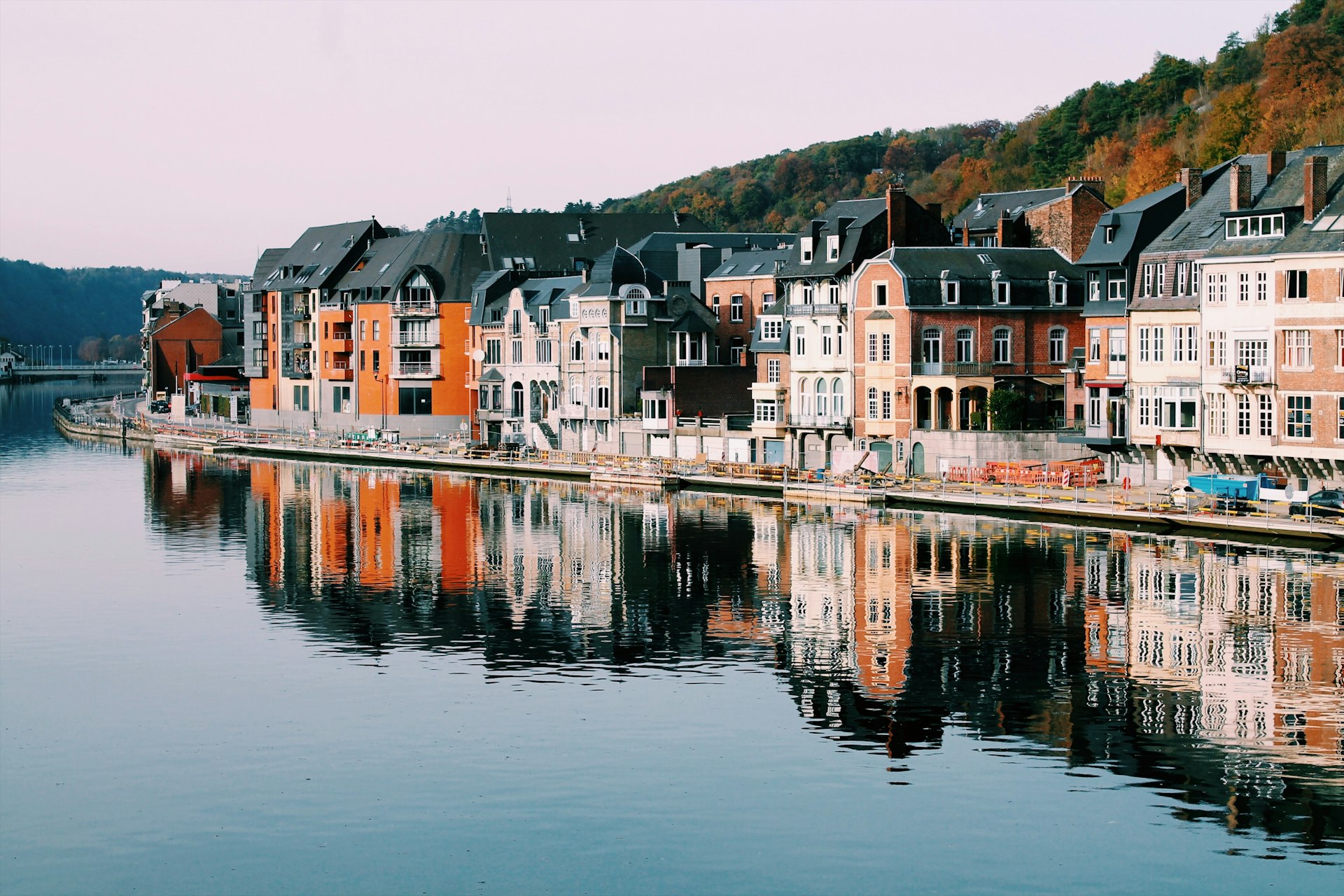
<strong><strong>Belgium</strong></strong>, compact yet incredibly diverse, sits at the crossroads of European culture and politics. Home to the European Union headquarters, NATO, and countless international organizations, Brussels offers unparalleled opportunities in diplomacy, policy, and international business. Beyond the capital, charming Bruges, dynamic Antwerp, and French-speaking Wallonia provide distinct flavors of Belgian life. With excellent cuisine, world-famous beer, multilingual society, and central European location, Belgium offers a unique relocation experience. This guide covers everything you need to know about making Belgium your home in 2026.
💡Key Takeaways
- •Single Permit: main work visa route, employer-sponsored
- •EU headquarters: Brussels offers unique international career opportunities
- •Cost of living: €2,600-3,800/month comfortable in Brussels
- •Three official languages: Dutch (Flanders), French (Wallonia), German
- •World-class food and beer culture—1,500+ beer varieties
- •Register at commune within 8 days of finding housing
- •Complex federal structure—different rules by region
Why Choose Belgium
International Hub
Belgium's unique position:
- EU headquarters: European Commission, Parliament, Council
- NATO: Headquarters in Brussels
- International organizations: Hundreds based here
- Multinational companies: European HQs
- NGOs and lobbying: Major sector
Central Location
- Heart of Western Europe
- Paris, Amsterdam, London within 2 hours by train
- Germany, Luxembourg nearby
- Excellent transport hub
Quality of Life
- Healthcare: Excellent universal system
- Food: World-class cuisine, chocolates, waffles, frites
- Beer: UNESCO-recognized culture, 1,500+ varieties
- Work-life balance: Reasonable hours, good vacation
- Culture: Art, architecture, festivals
Multilingual Society
- Three official languages: Dutch, French, German
- Brussels officially bilingual (French/Dutch)
- English widely spoken in international circles
- Multicultural, used to foreigners
Visa and Residence Options
EU/EEA Citizens
- Free movement—no visa required
- Register at commune within 8 days of finding housing
- Receive Belgian ID card
Single Permit (Work Permit)
Combined residence and work authorization:
- Employer initiates application
- Economic migration test (labor market check)
- Salary requirements vary by region
- Processing: 2-4 months
- Valid up to 1 year, renewable
EU Blue Card
- For highly skilled workers
- University degree required
- Salary threshold: €60,000+/year (varies)
- Favorable path to permanent residence
Self-Employment (Professional Card)
- For freelancers and entrepreneurs
- Business plan required
- Must demonstrate economic benefit
- Regional differences in requirements
Student Visa
- Acceptance at Belgian institution
- Proof of funds
- Limited work allowed during studies
Where to Live
Brussels
The international capital:
- Population: 1.2 million city, 2+ million metro
- Character: International, diverse, EU bubble
- Economy: EU institutions, lobbying, international orgs
- Rent: €1,100-1,600/month for 1BR
- Communes: Ixelles, Saint-Gilles (trendy), Etterbeek, Uccle (family)
- Pros: International community, jobs, central
- Cons: Can feel bureaucratic, some areas less safe
Antwerp
Flemish fashion and diamond hub:
- Population: 530,000
- Character: Fashion, design, port city
- Economy: Diamonds, fashion, logistics
- Rent: €900-1,300/month
- Pros: Vibrant scene, good nightlife, Flemish culture
- Language: Dutch-speaking
Ghent
University city with medieval charm:
- Population: 265,000
- Character: Student city, progressive, beautiful
- Rent: €850-1,200/month
- Pros: Beautiful, youthful, manageable size
- Language: Dutch-speaking
Bruges
Medieval fairytale city:
- Character: UNESCO heritage, touristy, picturesque
- Rent: €800-1,100/month
- Pros: Stunning, quieter, history
- Cons: Small, very touristy, limited job market
Leuven
University and tech hub:
- Character: Major university (KU Leuven), tech scene
- Rent: €900-1,300/month
- Pros: Research, innovation, young population
Cost of Living
| Expense | Budget | Comfortable | Upscale |
|---|---|---|---|
| Rent (1BR Brussels) | €900-1,100 | €1,200-1,600 | €1,800-2,800 |
| Groceries | €250-350 | €350-500 | €600+ |
| Dining out | €150-300 | €350-600 | €800+ |
| Transport | €50-80 | €80-150 | €200+ |
| Utilities/Internet | €100-150 | €150-220 | €250+ |
| Health Insurance | €100-150 | €150-250 | €300+ |
| Entertainment | €100-200 | €250-450 | €600+ |
| Total Monthly | €1,700-2,400 | €2,600-3,800 | €4,600+ |
Currency: Euro (€).
Practical Information
Commune Registration
- Must register at local commune within 8 days
- Police may visit to verify address
- Receive Belgian ID card after approval
- Process can take several weeks
Healthcare
- Mandatory health insurance (mutuelle/mutualiteit)
- High quality, affordable system
- GP referral needed for specialists
- Reimbursement-based (pay then claim back)
Banking
- Open account with residence registration
- Major banks: BNP Paribas Fortis, ING, KBC
- Online options: Beobank, bunq
- Belgian cards widely accepted
Transport
- STIB/MIVB: Brussels metro, tram, bus
- De Lijn: Flemish public transport
- TEC: Walloon public transport
- SNCB/NMBS: National rail
- Cycling: Growing infrastructure
Languages
- Flanders (north): Dutch-speaking
- Wallonia (south): French-speaking
- Brussels: Officially bilingual, practically French-dominant
- International sector: English common
Regional Differences
Flanders
- Dutch-speaking, economically stronger
- More orderly, efficient reputation
- Antwerp, Ghent, Bruges, Leuven
- Different bureaucratic processes
Wallonia
- French-speaking, more industrial heritage
- Generally lower cost of living
- Charleroi, Liège, Namur
- Nature and countryside
Brussels Capital Region
- Separate region from both
- 19 communes with different characters
- Officially bilingual, practically multilingual
- International bubble
Working in EU Institutions
Types of Positions
- Permanent officials: Via EPSO competitions
- Contract agents: Fixed-term positions
- Trainees (stagiaires): Paid internships
- National experts: Seconded from member states
Getting In
- EPSO is the recruitment office
- Competitions are competitive and lengthy
- Traineeship (Blue Book) good entry point
- Languages (especially French) advantageous
Benefits
- Competitive tax-free salaries
- Excellent benefits package
- International environment
- Job security (for permanent officials)
Belgian Culture
Food and Drink
- Beer: 1,500+ varieties, UNESCO cultural heritage
- Chocolate: World-renowned quality
- Frites: Belgian, not French (important distinction!)
- Waffles: Brussels and Liège varieties
- Cuisine: Mussels, stoofvlees, waterzooi
Social Life
- Café culture important
- Beer tasting social activity
- Private vs public life distinction
- Expat communities active
Challenges to Consider
Complexity
- Three regions, three languages, six governments
- Bureaucracy can be confusing
- Different rules by region
Weather
- Gray and rainy much of year
- Similar to UK/Netherlands
- Limited sunshine
Brussels Specifics
- Can feel like a bubble
- Some areas have safety concerns
- Traffic congestion
Pro Tips for Belgium
- Learn the local language of your region (French or Dutch)
- Register at commune quickly—delays cause problems
- Embrace the beer culture—it's how Belgians socialize
- Try frites from a frietkot—authentic experience
- Get a MOBIB card for Brussels public transport
- Explore all regions—each has distinct character
- Join expat groups—especially helpful in Brussels bubble
- Expect bureaucracy—patience required
Official Resources
For the most current and authoritative information, consult these official sources:
- Belgium Immigration - Official visa and immigration information
- Belgium Tourism - Official tourism board with travel resources
Related Destinations
Frequently Asked Questions
Related Articles
Ready to start your relocation journey?
Get personalized guidance from our AI advisor.
Get Started Free