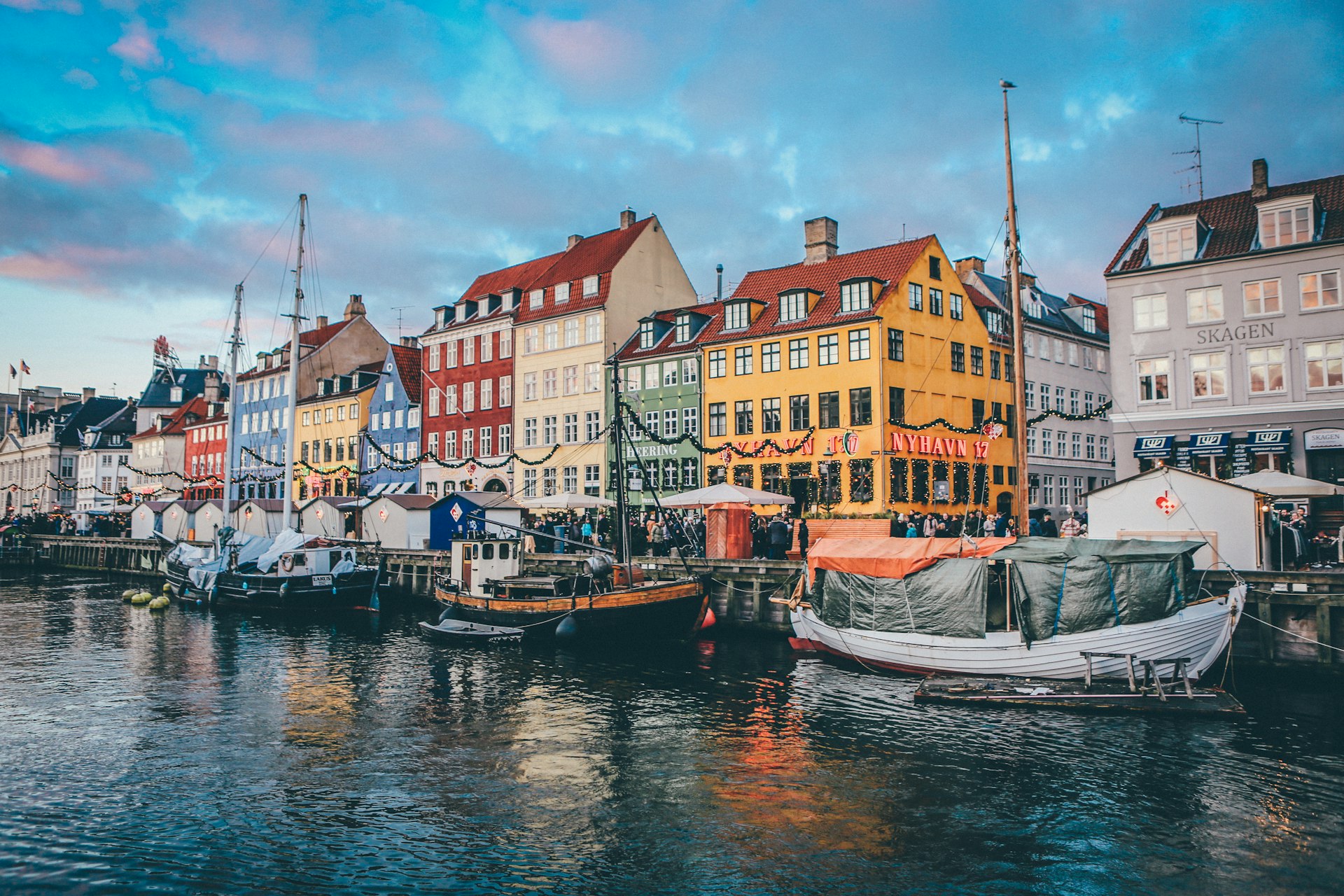
<strong><strong>Denmark</strong></strong> consistently ranks as one of the world's happiest countries, and it's not hard to see why. This Scandinavian nation offers exceptional work-life balance, outstanding social services, beautiful design, the cozy concept of "hygge," and a high standard of living. Copenhagen has emerged as a vibrant, bike-friendly capital with a thriving food scene and strong job market, particularly in tech, pharma, and clean energy. However, Denmark is also known for high taxes, cold winters, and a notoriously difficult integration process. This guide covers everything you need to know about making Denmark your new home in 2026.
💡Key Takeaways
- •Denmark ranks top 3 globally for happiness and work-life balance
- •Pay Limit Scheme: DKK 465,000/year (€62,000) salary = work permit
- •High taxes (35-45%) but free healthcare, education, generous benefits
- •Copenhagen housing extremely competitive—start searching early
- •Learning Danish essential for social integration
- •Researcher Tax Scheme offers flat 27% rate for qualifying expats
Why Move to Denmark?
Quality of Life
- Happiness: Consistently top 3 in World Happiness Report
- Work-life balance: 37-hour work weeks standard, flexible arrangements common
- Healthcare: Free universal healthcare for residents
- Education: Free education including university
- Safety: Very low crime rates, safe streets
- Environment: Clean air, green spaces, excellent cycling infrastructure
Career Opportunities
- Strong tech sector (Zendesk, Unity, Trustpilot headquarters)
- World-leading pharmaceutical industry (Novo Nordisk, Lundbeck)
- Renewable energy hub (Vestas, Ørsted)
- Vibrant startup ecosystem
- High English proficiency in business
The Danish Lifestyle
- Hygge: The concept of cozy contentment central to Danish life
- Cycling culture: 50% of Copenhageners bike to work
- Design appreciation: Danish design influences everything
- Food renaissance: New Nordic cuisine revolution
- Flat hierarchy: Egalitarian workplace culture
Visa and Work Permit Options
EU/Nordic Citizens
EU, EEA, and Nordic citizens can live and work freely in Denmark. Register with CPR (civil registration) within 3 months of arrival.
Non-EU Citizens - Main Routes
Pay Limit Scheme (Beløbsordningen)
For skilled workers with job offers meeting salary threshold:
- Minimum salary: DKK 465,000/year (≈€62,000) in 2026
- Any profession eligible if salary met
- 4-year permit, renewable
- Fast processing (1-2 months)
Positive List (Positivlisten)
For professions in shortage:
- No minimum salary requirement
- Must work in listed profession (engineers, IT, healthcare, etc.)
- 4-year permit
- Check current list—updated regularly
Fast-Track Scheme
For companies certified for fast-track hiring:
- Employer must be certified
- Expedited processing
- Various salary/skill requirements
Startup Denmark
For entrepreneurs:
- Business plan approved by panel
- Innovative, scalable business required
- 2-year permit, renewable
- Competitive—not guaranteed
Researcher Scheme
For academic researchers:
- Position at Danish research institution
- PhD or equivalent qualification
- Streamlined process
Cost of Living
Denmark is expensive—among the priciest in Europe:
| Expense | Copenhagen | Aarhus |
|---|---|---|
| 1BR Apartment (Central) | DKK 12,000-16,000 | DKK 8,000-11,000 |
| 1BR Apartment (Outside) | DKK 9,000-12,000 | DKK 6,500-9,000 |
| Utilities (Monthly) | DKK 1,500-2,000 | DKK 1,200-1,600 |
| Groceries (Monthly) | DKK 3,000-4,000 | DKK 2,500-3,500 |
| Monthly Transport Pass | DKK 600-800 | DKK 500-650 |
| Dining Out (Meal) | DKK 150-250 | DKK 120-200 |
Monthly budget: DKK 20,000-30,000 (€2,700-4,000) for comfortable Copenhagen living. Aarhus 15-20% cheaper.
Finding Housing
Housing in Copenhagen is notoriously difficult and expensive:
Rental Market
- Extremely competitive: Apartments rent within hours
- Waiting lists: Social housing has years-long waits
- Key money: Often 3 months deposit + 3 months prepaid
- Subletting common: Often easier than direct rental
Finding Accommodation
- BoligPortal: Main rental platform (subscription required)
- Lejebolig: Rental listings
- Facebook groups: Expat housing groups active
- Company assistance: Many employers help relocating staff
Areas in Copenhagen
- Vesterbro: Hip, trendy, young professionals
- Nørrebro: Diverse, vibrant, slightly edgier
- Østerbro: Upscale, family-friendly, quieter
- Frederiksberg: Green, affluent, good for families
- Islands Brygge: Waterfront, modern, growing area
Taxes and Salary
Denmark has high taxes but significant benefits in return:
Income Tax
- Marginal rates: Up to 52% at highest bracket
- Average effective rate: 35-45% for most workers
- Tax included: Church tax, labor market contribution
Researcher Tax Scheme
For qualifying expats (researchers, high-earners):
- Flat 27% tax rate for up to 7 years
- Requires minimum salary of DKK 75,100/month (2026)
- Significant savings for high earners
What Taxes Pay For
- Free healthcare
- Free education through university
- Generous parental leave (52 weeks combined)
- Unemployment benefits
- Excellent infrastructure
Healthcare
- Universal coverage: Free for all residents with CPR number
- GP system: Register with a local doctor (læge)
- Hospital care: Free at public hospitals
- Prescriptions: Subsidized but not free
- Dental: Not covered for adults (private insurance common)
- Quality: Excellent, though GP wait times can be long
Integration Challenges
Denmark is famously difficult for integration:
Language
- Danish is difficult and essential for deep integration
- Business often in English, but social life in Danish
- Free Danish lessons offered to residents (3 years)
Social Culture
- Danes can seem reserved to outsiders
- Friendships often formed in childhood, hard to break into
- Work is often the best place to meet people
- Joining clubs (foreninger) helps integration
Tips for Integration
- Learn Danish—even basics show commitment
- Join clubs and activities (sports, hobbies)
- Embrace cycling and outdoor culture
- Attend workplace social events
- Be patient—relationships develop slowly but are deep
Official Resources
For the most current and authoritative information, consult these official sources:
- Denmark Immigration - Official visa and immigration information
- Denmark Tourism - Official tourism board with travel resources
Related Destinations
Frequently Asked Questions
Related Articles
Ready to start your relocation journey?
Get personalized guidance from our AI advisor.
Get Started Free