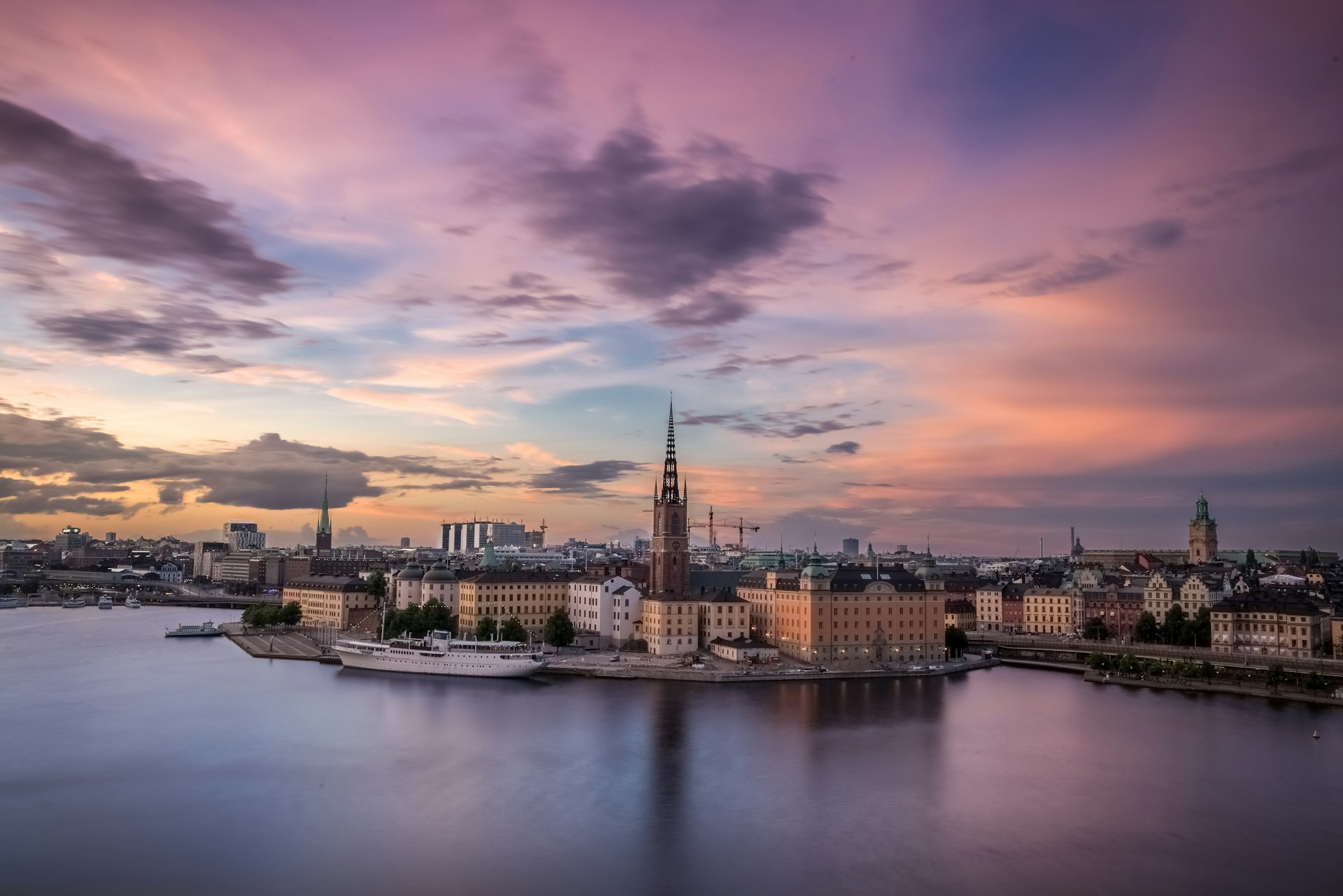
<strong><strong>Sweden</strong></strong> consistently ranks among the world's best countries for quality of life, offering a compelling combination of natural beauty, social welfare, innovation, and work-life balance. From the sophisticated capital Stockholm to the creative hub of Malmö, from vast wilderness to cutting-edge tech scenes, Sweden provides diverse opportunities for those seeking a new home in Scandinavia. While Sweden doesn't have a dedicated digital nomad visa, various pathways exist for remote workers, entrepreneurs, and skilled professionals. This guide covers everything you need to know about relocating to Sweden in 2026, from visa options to practical daily life.
💡Key Takeaways
- •No dedicated digital nomad visa—work permit or self-employment visa required
- •Cost of living: SEK 28,000-41,000/month ($2,600-3,800) comfortable
- •Severe housing shortage in Stockholm—start searching early
- •Personnummer essential for daily life—apply immediately
- •Excellent work-life balance and comprehensive welfare system
- •High taxes (30-57%) fund universal healthcare and education
- •Strong tech and startup ecosystem, especially Stockholm
Why Choose Sweden
Quality of Life
Sweden excels in livability metrics:
- Work-life balance: Strong labor protections, generous leave
- Healthcare: Universal, high-quality system
- Education: Free through university for residents
- Safety: Low crime, stable society
- Environment: Clean air, water, and nature access
- Parental leave: 480 days shared between parents
Innovation Economy
- Tech hub: Spotify, Klarna, Skype origins
- Startup ecosystem: Strong VC scene
- Sustainability: Leader in green technology
- Design: IKEA, H&M, Swedish design influence
- Gaming: Major gaming industry
Natural Beauty
- Vast forests and 100,000 lakes
- Archipelago islands off Stockholm
- Northern wilderness and midnight sun
- Allemansrätten—right to roam freely
Visa and Residence Options
EU/EEA Citizens
- Free movement—no visa required
- Register with Swedish Tax Agency if staying 1+ year
- Immediate access to services once registered
Work Permit
For non-EU nationals with job offers:
- Employer must advertise job in EU first
- Salary must meet Swedish standards for role
- Valid for up to 2 years, renewable
- Can lead to permanent residence after 4 years
- Processing: 2-6 months
Self-Employment Visa
For entrepreneurs and freelancers:
- Must prove business viability
- Sufficient funds to support yourself (SEK 200,000+)
- Relevant experience in your field
- 2-year permit initially
- Challenging but possible
Student Residence
- Acceptance at Swedish university required
- Proof of funds for living expenses
- Can work limited hours during studies
- Post-study job search permit available
Schengen and Tourist Stays
- 90 days in 180 days for visa-free nationalities
- Cannot work on tourist status
- Sweden is in Schengen Area
Where to Live
Stockholm
The capital and largest city:
- Population: 1 million city, 2.4 million metro
- Character: Beautiful, spread across 14 islands
- Economy: Finance, tech, headquarters
- Rent: SEK 12,000-20,000/month ($1,100-1,850)
- Areas: Södermalm (hip), Östermalm (upscale), Vasastan (residential)
- Cons: Severe housing shortage, expensive
Gothenburg
Second city, west coast port:
- Population: 580,000
- Character: Friendly, less formal than Stockholm
- Economy: Automotive (Volvo), logistics, maritime
- Rent: SEK 9,000-15,000/month ($830-1,400)
- Pros: More relaxed, archipelago, easier housing
Malmö
Southern city, bridge to Copenhagen:
- Population: 350,000
- Character: Multicultural, creative, dynamic
- Location: 30 min to Copenhagen via bridge
- Rent: SEK 8,000-13,000/month ($740-1,200)
- Pros: Affordable, diverse, growing scene
Uppsala
University city near Stockholm:
- Population: 180,000
- Character: Academic, historic, youthful
- Rent: SEK 8,000-12,000/month
- Pros: 40 min to Stockholm, university town vibe
Cost of Living
| Expense | Budget | Comfortable | Upscale |
|---|---|---|---|
| Rent (1BR Stockholm) | SEK 10,000-14,000 | SEK 14,000-20,000 | SEK 22,000-35,000 |
| Groceries | SEK 3,000-4,000 | SEK 4,500-6,000 | SEK 7,000+ |
| Dining out | SEK 1,500-3,000 | SEK 4,000-6,000 | SEK 8,000+ |
| Transport | SEK 900-1,200 | SEK 1,200-2,000 | SEK 3,000+ |
| Utilities/Internet | SEK 800-1,200 | SEK 1,200-1,800 | SEK 2,000+ |
| Entertainment | SEK 1,500-2,500 | SEK 3,000-5,000 | SEK 6,000+ |
| Total Monthly | SEK 18,000-26,000 | SEK 28,000-41,000 | SEK 48,000+ |
| USD Equivalent | $1,650-2,400 | $2,600-3,800 | $4,400+ |
Currency: Swedish Krona (SEK). $1 ≈ 10.8 SEK (2026).
Housing Reality
The Housing Crisis
- Sweden has severe housing shortage, especially Stockholm
- Official queue for rental apartments (10-20 year wait)
- Second-hand rentals (andrahand) are main option
- Many sublets technically illegal or gray area
- Must be proactive and flexible
Finding Housing
- Blocket: Main classifieds site
- Qasa: Verified rentals platform
- Facebook groups: "Lägenheter i Stockholm" etc.
- Company housing: Some employers help
- Buying: Easier than renting (mortgage required)
Working in Sweden
Work Culture
- Flat hierarchy: Everyone's input valued
- Consensus: Decisions made collectively
- Fika: Sacred coffee break tradition
- Work-life balance: Leave on time, use vacation
- Gender equality: Parental leave expected for all
Internet and Remote Work
- Speed: Excellent—100-1000 Mbps widely available
- Coworking: Many options in major cities
- Remote work: Widely accepted post-pandemic
Taxes
- High taxes but comprehensive services
- Income tax: ~30-57% depending on income and municipality
- VAT: 25%
- Taxes fund healthcare, education, social safety net
Practical Information
Personnummer
- Swedish personal identity number
- Essential for everything—banking, healthcare, phone
- Obtained from Tax Agency (Skatteverket) once registered
- Process can take months
- Coordination number possible while waiting
Healthcare
- Universal healthcare once registered
- Small patient fees (max SEK 1,200/year)
- High quality but can have wait times
- Private insurance available for faster access
Banking
- Difficult without personnummer
- Some banks offer accounts with coordination number
- Swish payment app essential once set up
- Very cashless society
Language
- Swedish official, but English extremely common
- Can function in English, especially in cities
- Learning Swedish helps integration significantly
- Free Swedish courses (SFI) for residents
Seasonal Life
Summer
- June-August: long days, outdoor living
- Midsommar biggest celebration
- Everyone takes July off (industries slow)
- Archipelago and countryside essential
Winter
- November-February: dark and cold
- Stockholm: ~6 hours daylight in December
- Northern Sweden: almost no daylight
- Cozy "mys" culture, fika, candles
Challenges to Consider
Housing
- Severe shortage in major cities
- Expensive and competitive
- Can take months to find suitable place
Social Integration
- Swedes can seem reserved initially
- Making Swedish friends takes time
- Workplace often key to social connections
- Expat communities can help
Bureaucracy
- Personnummer system creates chicken-and-egg problems
- Processes can be slow
- Everything connected to the number
Darkness
- Winter darkness affects many newcomers
- Vitamin D and light therapy help
- Takes adjustment
Pro Tips for Sweden
- Start housing search early—months before arrival
- Apply for personnummer immediately upon arrival
- Learn Swedish basics—shows commitment, aids integration
- Embrace fika—it's essential to Swedish life
- Get outdoor gear—no bad weather, only bad clothes
- Join activities/clubs—best way to meet Swedes
- Use BankID once you have personnummer—essential digital ID
- Explore beyond Stockholm—each city has character
Official Resources
For the most current and authoritative information, consult these official sources:
- Sweden Immigration - Official visa and immigration information
- Sweden Tourism - Official tourism board with travel resources
Related Destinations
Frequently Asked Questions
Related Articles
Ready to start your relocation journey?
Get personalized guidance from our AI advisor.
Get Started Free