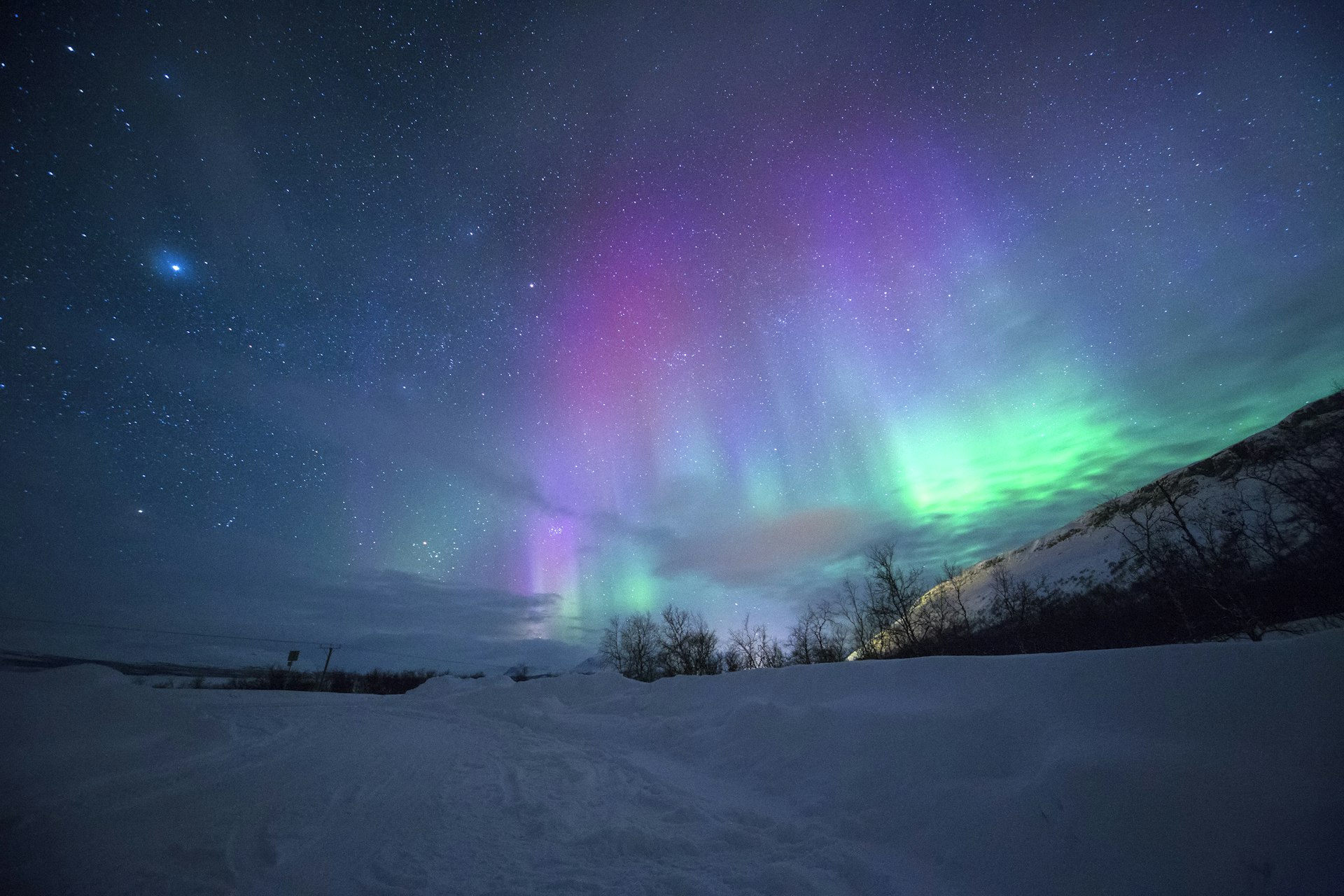
<strong><strong>Norway</strong></strong>, with its stunning fjords, high quality of life, and progressive society, is an increasingly attractive destination for remote workers. While Norway doesn't have a dedicated digital nomad visa, there are pathways for remote workers to establish themselves legally. Perhaps most intriguingly, Norway's Arctic territory of Svalbard offers a unique visa-free option where anyone from any country can live and work without a visa. This comprehensive guide explores all your options for working remotely from the land of the Northern Lights in 2026.
💡Key Takeaways
- •Norway has no dedicated digital nomad visa—options include skilled worker visa, self-employed visa, or EU freedom of movement
- •Svalbard offers visa-free living for citizens of all countries under the 1920 Treaty
- •Costs are extremely high—budget minimum €2,500-3,500/month
- •Svalbard time does NOT count toward Norwegian residency
- •Excellent internet and infrastructure, even in remote areas
- •Winter brings polar night with limited daylight—not for everyone
Norway for Remote Workers: Overview
Norway is not typically known as a digital nomad hotspot—high costs and challenging visa requirements deter many. However, for those who can afford it, Norway offers:
- Exceptional quality of life: Consistently ranked #1 in human development indices
- Stunning natural beauty: Fjords, mountains, Northern Lights, midnight sun
- Safety: One of the world's safest countries
- Work culture: Strong work-life balance, outdoor-focused lifestyle
- Infrastructure: Excellent internet, even in remote areas
- English proficiency: Nearly everyone speaks English fluently
Visa Options for Remote Workers
Unlike many European countries, Norway does not have a specific digital nomad visa. Your main options are:
Skilled Worker Visa
Requires a job offer from a Norwegian employer. The employer must demonstrate the position couldn't be filled locally. Not suitable for remote workers with non-Norwegian clients.
Self-Employed Visa
For those establishing a business serving the Norwegian market. Requires significant capital (approx. NOK 250,000 / €22,000) and a viable business plan. Processing can take 6-12 months.
Schengen Tourist Route
Non-EU citizens can stay up to 90 days in the Schengen Area (which includes mainland Norway) without a visa. Technically you cannot work during this time, but remote work for non-Norwegian clients exists in a legal gray area. Not recommended for long-term stays.
EU/EEA Citizens
EU/EEA nationals can live and work in Norway freely under the EEA Agreement. Register with police within 3 months if staying longer. This is the easiest path.
The Svalbard Option: Visa-Free Arctic Living
Here's where it gets interesting. Svalbard, Norway's Arctic archipelago, operates under the Svalbard Treaty of 1920, which gives citizens of all 46 signatory countries (and in practice, everyone) the right to live and work there without a visa.
What is Svalbard?
- Location: Arctic archipelago between mainland Norway and the North Pole
- Population: ~2,900 people, mostly in Longyearbyen
- Climate: Arctic—polar night in winter, midnight sun in summer
- Wildlife: Polar bears, Arctic foxes, reindeer, whales
- Infrastructure: Surprisingly modern; airport, shops, restaurants, fiber internet
How the Svalbard Visa-Free System Works
Under the Svalbard Treaty, any person from a signatory country can:
- Live in Svalbard indefinitely
- Work in Svalbard
- Start a business in Svalbard
Important caveats:
- You must be able to support yourself—no social benefits system
- You need housing before arriving (very limited)
- You still need a visa to transit through mainland Norway if your nationality requires it
- Time in Svalbard does NOT count toward Norwegian residency
- Healthcare is limited; insurance essential
Practical Realities of Svalbard Living
Costs: Svalbard has no VAT and low taxes, but imported goods are expensive:
- Rent: NOK 12,000-18,000/month (€1,100-1,650) for small apartment
- Food: 30-50% more expensive than mainland Norway
- Flights: NOK 3,000-6,000 return to Oslo
Internet: Fiber broadband available in Longyearbyen with good speeds (50-100 Mbps typical). Mobile coverage limited to town area.
The Polar Experience:
- Polar night: November-February (no daylight)
- Midnight sun: April-August (24-hour daylight)
- Polar bears: Real risk outside town; rifle training recommended
- Activities: Snowmobiling, dog sledding, Northern Lights, glaciers
Cost of Living in Norway
Norway is one of the world's most expensive countries. Budget accordingly:
| Category | Oslo | Bergen | Svalbard |
|---|---|---|---|
| 1BR Apartment (Central) | NOK 15,000 | NOK 12,000 | NOK 15,000 |
| Utilities (Monthly) | NOK 1,500 | NOK 1,300 | NOK 2,000 |
| Meal at Restaurant | NOK 200 | NOK 180 | NOK 250 |
| Monthly Groceries | NOK 4,500 | NOK 4,000 | NOK 5,500 |
| Monthly Total | NOK 25,000+ | NOK 21,000+ | NOK 27,000+ |
Note: NOK 25,000 ≈ €2,300 / $2,500 per month. Norway requires substantial income to live comfortably.
Practical Considerations
Banking
Opening a Norwegian bank account requires a D-number (temporary ID) or national ID number. Digital banks like Revolut or Wise work well for initial period.
Healthcare
Norway has excellent public healthcare but only for residents. Visitors must have comprehensive travel insurance. In Svalbard, healthcare is limited—serious cases evacuated to mainland.
Weather
Be prepared for challenging conditions:
- Winter temperatures: -10°C to -20°C (Oslo), -20°C to -35°C (Svalbard)
- Limited daylight in winter; invest in light therapy
- Excellent outdoor clothing essential
Connectivity
Internet infrastructure is excellent throughout Norway, including in rural areas. 4G/5G coverage is widespread. Svalbard has fiber in Longyearbyen.
Who is Norway Best For?
Norway as a digital nomad destination suits:
- High earners who can afford the costs (€3,000+/month minimum)
- EU/EEA citizens with straightforward residency rights
- Outdoor enthusiasts and nature lovers
- Those seeking extreme experiences (Svalbard)
- Remote workers valuing safety and quality of life over cost
It may not suit:
- Budget-conscious nomads
- Sun seekers (limited daylight in winter)
- Those without existing EU work rights
- People who struggle with cold/dark winters
Official Resources
For the most current and authoritative information, consult these official sources:
- Norway Immigration - Official visa and immigration information
- Norway Tourism - Official tourism board with travel resources
Related Destinations
Frequently Asked Questions
Related Articles
Ready to start your relocation journey?
Get personalized guidance from our AI advisor.
Get Started Free