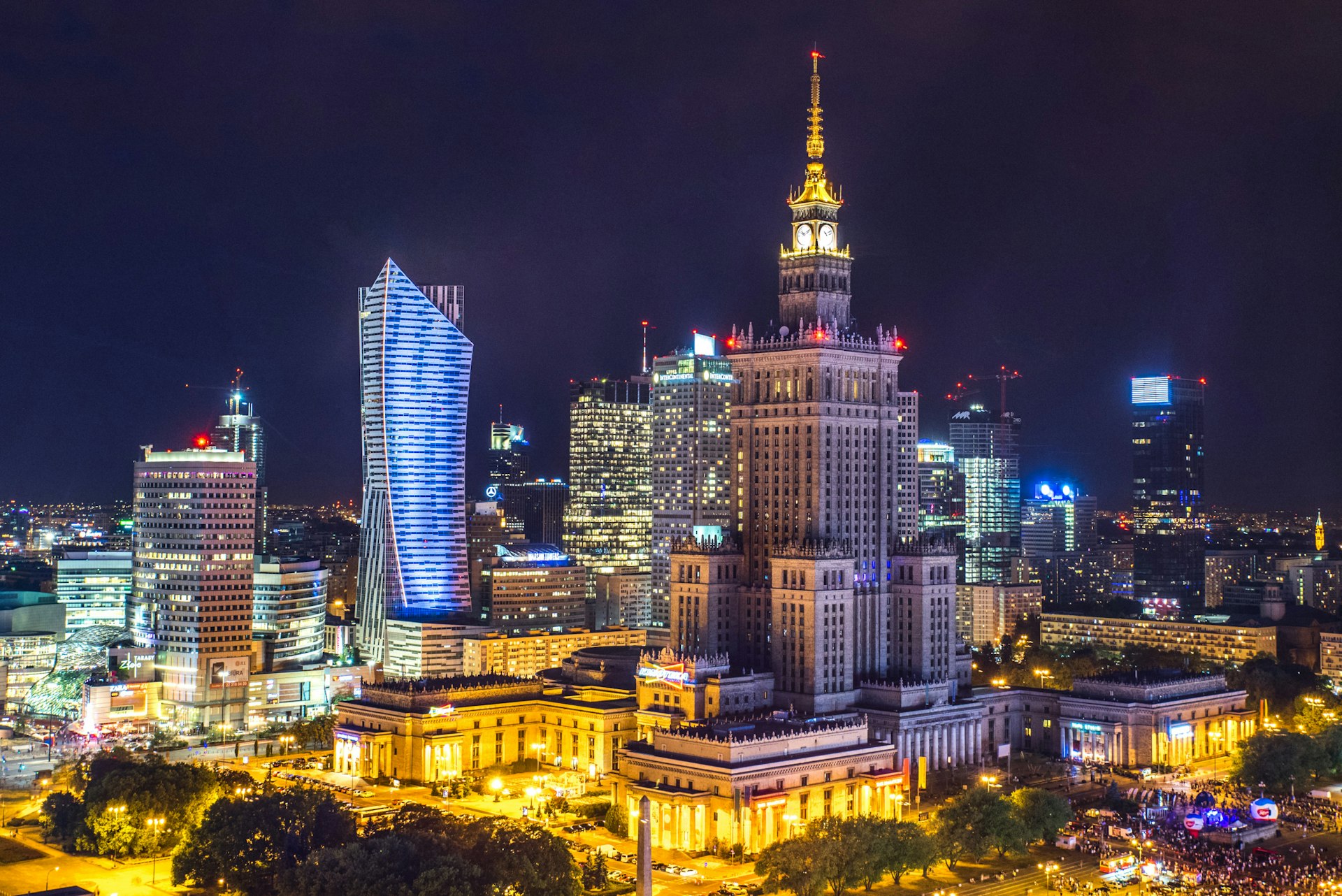
<strong><strong>Poland</strong></strong> has emerged as one of Europe's most dynamic economies and an increasingly popular destination for expats. With a thriving tech sector, extremely low cost of living by EU standards, vibrant cities like Warsaw and Krakow, and excellent infrastructure, Poland offers an attractive combination for professionals and entrepreneurs. As an EU member state, it provides easy access for EU citizens, while non-EU nationals have several visa pathways including work permits, the Poland Business Harbour program for tech workers, and a straightforward temporary residence system. This guide covers everything you need to know about making Poland your new home in 2026.
💡Key Takeaways
- •Cost of living 50-60% lower than Western Europe
- •Thriving tech sector with major international companies
- •EU membership provides stability and easy access for EU citizens
- •Poland Business Harbour offers fast-track visas for IT professionals
- •Warsaw is business hub; Krakow offers culture and lower costs
- •IP Box regime offers just 5% tax on qualifying intellectual property income
Why Move to Poland?
Economic Opportunity
- Booming tech sector: Major tech hubs with Google, Microsoft, Amazon offices
- Growing economy: One of EU's fastest-growing economies
- Low cost of living: 50-60% cheaper than Western Europe
- EU membership: Access to EU market, stability, funding
- Skilled workforce: Highly educated population with strong STEM skills
Quality of Life
- Modern, cosmopolitan cities with excellent infrastructure
- Rich history and culture (Krakow, Gdansk, Wroclaw)
- Good public transport (especially Warsaw metro)
- Central location—easy travel to all of Europe
- Four distinct seasons with real winters
Practical Benefits
- Low taxes: Flat tax options available (19% or 12% for specific cases)
- Fast internet: Excellent fiber and mobile coverage
- Safety: Low crime rates, safe cities
- Growing English: Widespread among younger generation and business
Visa Options for Poland
EU/EEA/Swiss Citizens
Can live and work freely. Register after 3 months if staying longer.
Non-EU Citizens - Main Routes
National Visa (Type D)
For stays over 90 days:
- Work visa: Requires job offer and work permit
- Study visa: University enrollment
- Business visa: Business activities in Poland
- Valid up to 1 year
Temporary Residence Permit
For longer stays (1-3 years):
- Work and residence combined
- Study residence
- Family reunification
- Self-employment/business
- Processing: 2-6 months
Poland Business Harbour (PBH)
Fast-track visa for IT professionals:
- Designed for tech workers from specific countries (Belarus, Ukraine, Russia, etc.)
- 1-year visa with simplified procedure
- Can work for any IT company
- Processing: 2-4 weeks
Blue Card EU
For highly qualified workers:
- Higher education degree required
- Minimum salary: 1.5x average (approximately PLN 9,000/month gross)
- Easier mobility within EU
Permanent Residence
- After 5 years of continuous legal residence
- Polish language test required (B1 level)
- Leads to citizenship eligibility
Best Cities for Expats
Warsaw - The Economic Powerhouse
Poland's capital and business hub:
- Population: 1.8 million (metro 3+ million)
- Economy: Finance, tech, corporate headquarters
- Lifestyle: Modern, fast-paced, most expensive in Poland
- Expat scene: Largest international community
- Cost: €1,200-1,800/month comfortable living
Krakow - The Cultural Capital
Historic university city with growing tech scene:
- Population: 780,000
- Appeal: UNESCO Old Town, vibrant culture, student atmosphere
- Tech: Strong IT/BPO sector, many shared service centers
- Cost: €1,000-1,500/month
- Note: Air quality issues in winter
Wroclaw - The Innovation Hub
Growing tech center with young population:
- Population: 640,000
- Economy: Tech, gaming (CD Projekt Red nearby), BPO
- Lifestyle: Relaxed, many bridges and islands, university town
- Cost: €900-1,300/month
Gdansk - The Baltic Gem
Historic port city on the Baltic Sea:
- Population: 470,000 (Tri-City metro 1.5 million)
- Appeal: Beach access, beautiful old town, maritime heritage
- Economy: Shipping, tech, tourism
- Cost: €900-1,300/month
Poznan - The Business Center
Historic trade city with strong economy:
- Population: 540,000
- Economy: Industry, logistics, trade fairs
- Lifestyle: Quieter, more local feel, good quality of life
- Cost: €800-1,200/month
Cost of Living
Poland offers excellent value—significantly cheaper than Western Europe:
| Expense | Warsaw | Krakow |
|---|---|---|
| 1BR Apartment (Central) | PLN 3,500-5,000 | PLN 2,500-4,000 |
| 1BR Apartment (Outside) | PLN 2,500-3,500 | PLN 2,000-3,000 |
| Utilities (Monthly) | PLN 400-600 | PLN 350-500 |
| Groceries (Monthly) | PLN 800-1,200 | PLN 700-1,000 |
| Monthly Transport Pass | PLN 110 | PLN 100 |
| Dining Out (Meal) | PLN 40-80 | PLN 35-70 |
| Coworking (Monthly) | PLN 600-1,000 | PLN 500-800 |
Exchange rate: €1 ≈ PLN 4.3 (2026)
Monthly budget: PLN 5,000-8,000 (€1,150-1,850) for comfortable living.
Tax System
Poland offers several tax options:
Employment Income
- Progressive rates: 12% up to PLN 120,000, 32% above
- Tax-free amount: PLN 30,000/year
- Social security: ~13% employee contribution
Self-Employment Options
- 19% flat tax: Available for business income
- Lump-sum tax: Reduced rates for specific activities (e.g., 12% for IT)
- IP Box: 5% tax on qualifying intellectual property income
Tax Residency
You become a Polish tax resident if:
- You spend 183+ days in Poland per year, OR
- Your center of vital interests is in Poland
Healthcare
Public Healthcare (NFZ)
- Free for those paying social security
- Access through employer or voluntary contribution
- Long wait times for specialists
- Quality varies by region
Private Healthcare
- Widely used, especially for specialists
- Major providers: Luxmed, Medicover, Enel-Med
- Private insurance: PLN 150-400/month
- Good quality, shorter waits, English-speaking doctors available
Language and Culture
Polish Language
- Polish is the official language—complex grammar, 7 cases
- English widely spoken in business, especially among under-40s
- Less English in daily life outside major cities
- Learning basics greatly appreciated by locals
Cultural Notes
- Strong work ethic and professional culture
- Poles can seem reserved initially but are warm once connections form
- Catholic traditions influence holidays and culture
- Hospitality important—expect to be fed at Polish homes
- Punctuality valued in business
Practical Steps
Before Arrival
- Research visa requirements for your nationality
- Secure job offer if applying for work visa
- Gather documents (apostilles may be needed)
- Research neighborhoods and temporary housing
First Weeks
- Register residence (zameldowanie) if staying long-term
- Apply for PESEL (ID number)—needed for everything
- Open bank account (PKO BP, mBank, ING common)
- Register with voivodeship for residence permit if applicable
- Get SIM card (Play, Orange, Plus, T-Mobile)
Setting Up
- Find long-term accommodation (OLX, Otodom main platforms)
- Register with NFZ or arrange private health insurance
- Get Polish driver's license exchanged if needed
- Join expat communities (Facebook groups, InterNations)
Official Resources
For the most current and authoritative information, consult these official sources:
- Poland Immigration - Official visa and immigration information
- Poland Tourism - Official tourism board with travel resources
Related Destinations
Frequently Asked Questions
Related Articles
Ready to start your relocation journey?
Get personalized guidance from our AI advisor.
Get Started Free